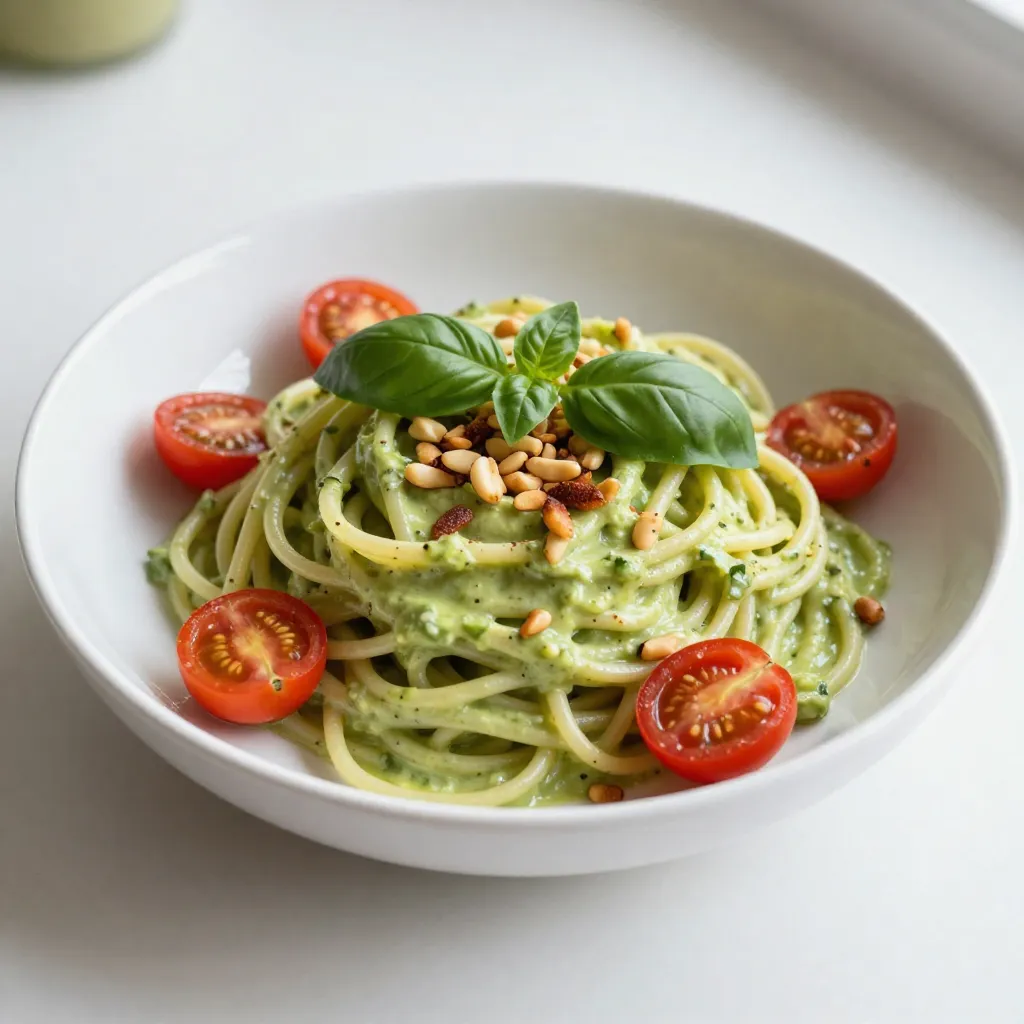
Looking for a quick and tasty dinner idea? My Creamy Avocado Pasta recipe checks all the boxes! With just a few fresh ingredients, you can whip up a meal that’s not only delicious but also healthy. Imagine smooth avocado blended with garlic and fresh basil, all tossed with your favorite pasta. Get ready to impress your family and friends with this simple dish that’s perfect for any occasion! Let’s dive in!
Why I Love This Recipe
- Healthy and Delicious: This creamy avocado pasta is not only a treat for the taste buds but also packed with healthy fats and nutrients from avocados.
- Quick and Easy: With a prep time of just 10 minutes, this recipe is perfect for busy weeknights or when you want a delicious meal in no time.
- Customizable: You can easily adjust the flavors by adding your favorite herbs, spices, or vegetables, making it a versatile dish for everyone.
- Vegan-Friendly: This recipe is entirely plant-based, making it suitable for vegans and those looking to incorporate more plant-based meals into their diet.
Ingredients
Main Ingredients
– 2 ripe avocados, pitted and peeled
– 12 oz spaghetti or pasta of choice
Seasonings and Add-Ins
– 2 cloves garlic, minced
– 1/4 cup fresh basil leaves
– 2 tablespoons lemon juice
– 1/2 teaspoon salt (or to taste)
– 1/4 teaspoon black pepper (or to taste)
– 1/4 cup olive oil
Garnishes
– 1/4 cup cherry tomatoes, halved
– 2 tablespoons pine nuts, toasted
– Extra basil leaves for garnishing
Creamy avocado pasta needs the best ingredients for flavor. The ripe avocados give the sauce its rich taste. Choose fresh and soft avocados for the best creaminess. You can use any pasta you like, but spaghetti works great.
Garlic brings a nice zing to the dish. Fresh basil adds a lovely aroma and bright color. The lemon juice gives the sauce a flavorful kick. Salt and black pepper help balance the taste. Olive oil makes the sauce silky smooth.
For garnishes, cherry tomatoes add a pop of color and sweetness. Toasted pine nuts give a nice crunch. Extra basil leaves make the dish look fresh and inviting.
Gather these ingredients, and you’re ready to make a delicious meal!

Step-by-Step Instructions
Cooking the Pasta
To start, fill a large pot with water and add a generous pinch of salt. Bring this water to a boil. Once boiling, add your pasta. I recommend using spaghetti, but any pasta works great. Cook the pasta until it’s al dente, which usually takes about 8 to 10 minutes.
After cooking, carefully drain the pasta in a colander. Remember to save one cup of pasta water. This starchy water helps to adjust the sauce later.
Making the Avocado Sauce
Next, grab your food processor. Add the two ripe avocados, minced garlic, fresh basil, lemon juice, salt, and black pepper. Blend these ingredients together. While blending, slowly drizzle in the olive oil. This step is key to achieving a creamy texture. If the sauce seems chunky, keep blending until it’s smooth.
Combining Pasta and Sauce
Now, it’s time to mix the pasta with the sauce. In a large bowl, combine the hot pasta and the creamy avocado sauce. Stir gently but thoroughly. If the sauce feels too thick, add a bit of the reserved pasta water. Do this one tablespoon at a time until the sauce reaches your desired creaminess.
Final Touches
After mixing, taste the pasta. Adjust the seasoning if needed. You can add more salt or lemon juice for extra flavor.
When serving, transfer the creamy avocado pasta to large plates. For a beautiful finish, top with halved cherry tomatoes, toasted pine nuts, and extra basil leaves. Drizzle a bit of olive oil on top for added flavor and a nice look.
Tips & Tricks
Perfecting the Sauce
How to ripen avocados quickly
To ripen avocados fast, place them in a brown paper bag. Add an apple or banana to speed up the process. The ethylene gas from the fruit helps avocados ripen quicker.
Keeping the sauce green (preventing browning)
To keep your sauce bright green, add lemon juice right after blending. The acid in the juice slows browning. Also, cover the sauce tightly with plastic wrap. Press it directly onto the surface to keep air out.
Cooking Pasta Al Dente
Stovetop tips for perfect pasta texture
Always use plenty of water when boiling pasta. A good rule is to use four quarts of water for every pound of pasta. Add salt once the water boils. Cook until the pasta is firm yet tender. This is called al dente. Don’t forget to taste it a minute before the package time ends.
Presentation Tips
Serving suggestions for visual appeal
Serve the pasta in large, shallow bowls. This enhances the dish’s visual appeal. Garnish with halved cherry tomatoes and extra basil leaves. Their bright colors make the dish pop.
Recommended olive oil drizzle and pepper sprinkle
Drizzle extra olive oil over the pasta before serving. This adds shine and flavor. Finish with a sprinkle of freshly cracked black pepper. It enhances the taste and adds a nice touch.
Pro Tips
- Choose Ripe Avocados: Make sure to select avocados that are slightly soft to the touch for a creamy texture in your sauce.
- Adjust Creaminess: If the sauce is too thick, gradually add reserved pasta water until you reach your desired consistency.
- Season Wisely: Taste your sauce before serving and adjust the seasoning with extra salt or lemon juice for a brighter flavor.
- Garnish for Freshness: Top your pasta with fresh herbs and toasted nuts to add texture and visual appeal to your dish.
Variations
Dietary Swaps
You can make this creamy avocado pasta fit different diets easily. For gluten-free options, try using gluten-free pasta. There are many brands that offer great taste and texture. You won’t miss the regular pasta at all!
If you want a vegan version, swap out any dairy ingredients with plant-based options. Use nutritional yeast for a cheesy flavor or add some cashew cream for richness. Both options work well and keep the dish vegan.
Flavor Enhancements
To boost the taste, consider adding protein. Grilled chicken, shrimp, or tofu are great choices. Simply cook your protein of choice and toss it in when combining the pasta and sauce. This adds a nice texture and makes the dish more filling.
You can also play with herbs for extra flavor. Try mixing in cilantro or parsley along with the basil. Each herb brings a unique taste, making your pasta even more exciting.
Seasonal Variations
Using seasonal vegetables can really elevate your creamy avocado pasta. In summer, add in some fresh zucchini or bell peppers. For winter, consider mixing in roasted carrots or sweet potatoes. Each season offers a new way to enjoy this dish.
Think about the flavors of the season. In summer, you might want a light touch with lemon and fresh veggies. In winter, use heartier flavors like garlic and roasted vegetables. Adjusting the recipe to the season keeps things fresh and fun!
Storage Info
Refrigeration Tips
To store leftover creamy avocado pasta, cool it down first. Place it in an airtight container. This keeps the pasta fresh and helps to avoid drying out. You can use glass or plastic containers with tight-fitting lids. Make sure to eat it within three days for the best taste.
Freezing Guidance
You can freeze avocado pasta, but it may change texture. To do this, pack it in an airtight container. Leave some space at the top since it will expand when frozen. For thawing, place it in the fridge overnight. To reheat, warm it gently in a pan with a splash of olive oil. This helps restore some creaminess.
Shelf Life
Creamy avocado pasta stays fresh in the fridge for about three days. If frozen, it can last for up to three months. Just check for any signs of freezer burn or off smells before eating. Always trust your senses!
FAQs
What can I use instead of avocados?
If you need a creamy sauce but lack avocados, try these options:
– Silken tofu: Blend it to make a smooth sauce.
– Cashews: Soak and blend for a rich, nutty taste.
– Greek yogurt: Use plain for a tangy twist.
– Cream cheese: This gives a thick and creamy texture.
These alternatives can still give your pasta a delicious, creamy feel.
Can I make this pasta ahead of time?
Yes, you can prep this creamy avocado pasta in advance. Here’s how:
– Cook the pasta: You can cook and cool it.
– Make the sauce: Blend the sauce, but don’t mix yet.
– Store separately: Keep pasta and sauce in airtight containers.
– Mix when ready: When you want to eat, just combine them.
This way, your meal stays fresh and tasty.
How do I keep the avocado sauce from turning brown?
Prevent browning in your avocado sauce with these tips:
– Add lemon juice: This helps slow down oxidation.
– Cover tightly: Use plastic wrap directly on the sauce.
– Store in an airtight container: This limits air exposure.
These steps will keep your sauce looking and tasting great longer.
This blog post shared a simple, delicious avocado pasta recipe. We covered main ingredients, seasonings, and garnishes. You learned how to cook the pasta, make the sauce, and serve it appealingly. Tips on storing leftovers and variations were also explored.
Ultimately, this dish combines fresh flavors and healthy ingredients. It’s perfect for any meal. Enjoy creating and sharing this recipe with friends and famil